


Mangaon na ta! Cucina presents a special offering for the month of March. Delight in a selection of esteemed Davao dishes expertly crafted for both lunch and dinner by Guest Chef James Tinio from Marco Polo Davao. Secure your reservations from the 14th to the 29th of March through the following channels: call us at (+632) 7720 7720, visit http://bit.ly/ReserveCucina, or email restaurant.mnl@marcopolohotels.com.
Savor a selection of beloved Davao dishes, including specialties from indigenous tribes, such as Tiyula Itum from the Tausug tribe, Yellow Rice from the Kalagan tribe, Piyanggang Manok, Piyaren Udang, and more. The buffet lunch is priced at 1450 PHP on weekdays and 1500 PHP on weekends, while the buffet dinner is available daily for 1700 PHP. All prices are inclusive of a 10% VAT, service charge, and applicable local government taxes.
1.) Sinugbang Itum
Sinugbang Itum, which translates to Grilled Food, is a signature dish packed with bold flavors and tantalizing aromas. This traditional Filipino delicacy boasts a selection of delectable options, including succulent tuna, flavorful longganisa, rich liver, and tender chicken, all enhanced with the enticing smokiness of grilled coconut milk. The unique charred coconut milk imparts a depth of flavor that perfectly complements the grilled meats, creating a culinary experience like no other. For those who savor the heat, don’t hesitate to request the chef to infuse your dish with a fiery kick, adding an extra layer of excitement to this already exquisite feast. Indulge in the enticing textures and complex flavors of Sinugbang Itum, and savor a true taste of Filipino culinary artistry.


2.) Riyangdang Kambing
Riyangdang Kambing is a delectable Davao dish that boasts a rich history and a unique blend of flavors. This traditional dish features tender goat meat cooked with an assortment of local herbs and spices, resulting in a savory and aromatic culinary experience. The combination of tender meat, fragrant spices, and flavorful broth makes Riyangdang Kambing a favorite among locals and visitors alike. The dish is often enjoyed with steamed rice, allowing the hearty flavors to be fully appreciated with every satisfying bite. Whether served at a local eatery or enjoyed during a festive gathering, Riyangdang Kambing represents the vibrant culinary heritage of Davao and delights the senses with its distinctive taste.


3.) Linotlot Nga Manok (Chicken Cooked in Bamboo)
Linotlot Nga Manok is a traditional Filipino dish where chicken is marinated in a flavorful blend of spices and then wrapped in banana leaves before being cooked inside a bamboo tube. The marinated chicken absorbs the earthy aroma of the bamboo as it cooks, infusing the meat with a unique smoky flavor. This dish is often prepared during festive occasions and family gatherings, adding a touch of tradition and cultural heritage to the dining table. The cooking process using bamboo imparts a distinct tenderness to the chicken, making it an exquisite culinary experience that showcases the rich culinary traditions of the Philippines.

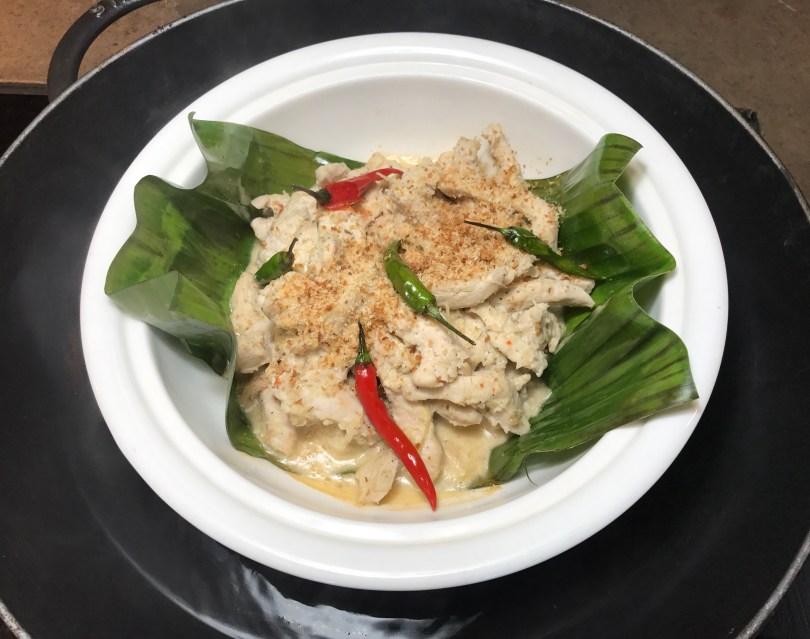
4.) Tiyula Itum (Tausug Tribe Soup)
Tiyula Itum (Tausug Tribe Soup) is a traditional dish from the Tausug people of the Philippines, known for its rich and flavorful taste. This iconic soup is made with ingredients such as beef or chicken, which are simmered with a variety of aromatic spices to create a deeply satisfying broth. The dish is often served with steamed white rice, which complements the bold flavors of the soup. Tiyula Itum is a beloved dish that holds great cultural significance, often enjoyed during special occasions and gatherings within the Tausug community. Its unique blend of spices and the tender, succulent meat make it a truly memorable culinary experience, offering a taste of tradition and heritage with every comforting spoonful.


5.) Palapo Udang Pirayem (Prawn in Coconut Milk)
Palapo Udang Pirayem is a delightful dish that combines succulent prawns with rich coconut milk and a blend of aromatic spices. To prepare this exquisite dish, the prawns are first marinated in a harmonious mixture of turmeric, coriander, and other spices, allowing them to absorb the vibrant flavors. The marinated prawns are then gently cooked in creamy coconut milk, infusing the dish with a luxurious, velvety texture. The addition of lemongrass and kaffir lime leaves lends a refreshing citrusy aroma, tantalizing the senses with each spoonful. Whether enjoyed with steamed rice or as a part of a lavish feast, Palapo Udang Pirayem never fails to captivate with its indulgent flavors and comforting warmth.


6.) Piyalam (Pomfret Simmered in Lemon Grass and Holy Basil)
Piyalam (Pomfret Simmered in Lemon Grass and Holy Basil) is a delightful dish that tantalizes the taste buds with its blend of aromatic flavors and delicate textures. The pomfret, a mild and delicious fish, is cooked to perfection in a fragrant broth infused with the subtle essence of lemongrass and the fresh, slightly peppery flavor of holy basil. This exquisite combination of ingredients creates a dish that is not only visually stunning but also a celebration of harmonious flavors. The tender, flaky fish absorbs the rich, herbal notes of the lemongrass and basil, resulting in a dish that is both comforting and truly enchanting. As you take each forkful, the subtle tang of lemon and the earthy undertones of basil dance on your palate, leaving behind a lingering sensation of blissful contentment. This traditional creation embodies the essence of the country’s culinary artistry, with its emphasis on fresh, vibrant ingredients and the perfect balance of flavors.


7.) Sinigapuna (Yellow-Rice-Kalagan Tribe)
Sinigapuna (Yellow-Rice-Kalagan Tribe) is a traditional dish of the Kalagan Tribe, renowned for its vibrant flavors and cultural significance. This delightful dish is crafted using locally-sourced ingredients such as glutinous rice, turmeric, and coconut milk, resulting in a rich and aromatic flavor profile. The process of creating Sinigapuna is a cherished tradition within the Kalagan community, often being passed down through generations, preserving the tribe’s culinary heritage. The dish holds a special place in Kalagan gatherings and celebrations, symbolizing unity and prosperity. Whether enjoyed during festive occasions or as part of daily meals, Sinigapuna serves as a testament to the Kalagan Tribe’s culinary expertise and the vibrant tapestry of their culture.


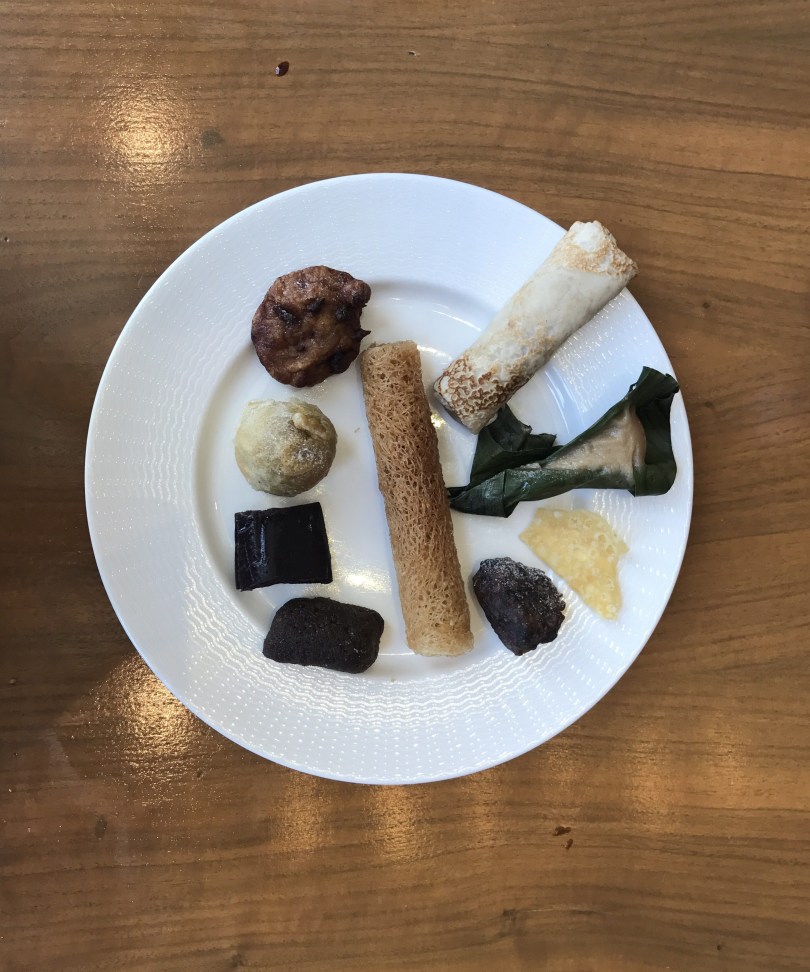
8.) Davao Sweets
Davao is renowned for its delectable array of sweets, each offering a unique and delightful taste of the region’s culinary heritage. Among these delightful treats, one can savor the tempting sweetness of Pan Pan Mongo, relish the creamy richness of Palikambing, indulge in the chewy goodness of Dudol, and delight in the unique flavor of Kitot. Furthermore, the delightful Amik, a sweet rice noodle delicacy, offers a delightful contrast in texture and flavor. Those with a sweet tooth can also enjoy the delicious Daral, Pasung, and Kurubata, each presenting a distinct taste that reflects the cultural tapestry of Davao. To top it all off, the unmistakable aroma and flavor of Durian Rice Cake adds a delightful tropical touch to the dessert selection.


9.) Piyanggang Manok
Piyanggang Manok is a traditional Filipino dish hailing from the southern region of Mindanao. The dish is known for its unique flavor profile, achieved by marinating the chicken in a rich coconut vinegar and soy sauce mixture, before grilling it to tender perfection. The use of charred coconut meat further enhances the smoky and savory taste, while the addition of aromatic lemongrass and turmeric lends a delightful depth of flavor to the dish. This culinary masterpiece is a testament to the rich culinary heritage of the Philippines, showcasing the ingenuity and creativity of Filipino cuisine.


10.) Suha-Bai (Pomelo Punch)
Suha-Bai is a homage to the Bisaya dialect commonly spoken in Davao. This invigorating beverage combines vodka, extract of Davao pomelo juice, passion fruit, grenadine, and is finished with soda water. Savor this beverage alongside pomelo fruit dipped in a mixture of sugar and salt.

